
음극 재료, 4대 주요 재료 중 하나 리튬 배터리 (cathode, anode, separator, and electrolyte), are crucial components of lithium batteries. They also account for a large portion of the battery’s cost. The cost of cathode materials largely determines the price of the battery. Among lithium battery cathode materials, mainstream materials include lithium cobalt oxide (LCO), lithium iron phosphate (LFP), lithium manganese iron phosphate (LMFP), nickel cobalt manganese lithium oxide (NCM), and lithium manganese oxide (LMO), among others. Their production processes differ slightly, but the fundamental principles are similar. The precursor materials are mixed with lithium carbonate or lithium hydroxide and then heated at high temperatures to obtain the product.
리튬인산철의 제조 공정은 크게 고상법과 액상법 두 가지로 나뉜다. 고상법에는 인산철법, 철법, 적색철법, 옥살산철법 등 다양한 방식이 있으며, 각 방식은 장단점이 있다. 액상법은 주로 데팡나노에서 개발한 자가증발 액상법으로 대표되지만, 기술적 진입 장벽이 높다. 본 논문에서는 주류 기술인 인산철법을 예로 들어 설명한다.
혼합 및 분쇄
The reaction materials are ground and fully mixed to ensure that the reaction proceeds effectively during the subsequent sintering process. The equipment used in this step is a sand mill. The main raw materials, including iron phosphate, lithium carbonate, carbon source (such as glucose, sucrose, polyethylene glycol, etc.), dispersing agent, and additives, are added to the mixing equipment in precise stoichiometric proportions. Pure water or ethanol is used for pre-dispersion, followed by grinding in a sand mill. This process continues until the desired particle size (usually under 500nm) is achieved.
The iron phosphate and lithium carbonate are the main reactants. The carbon source plays an important role in forming a carbon coating on the lithium iron phosphate surface during high-temperature sintering. This improves its conductivity and prevents the formation of Fe³⁺. The dispersing agent enhances the dispersion and solid content of the slurry. Some high-molecular materials also form a carbon coating after sintering to improve the material’s performance.
전도성 흑연, 탄소 나노튜브 또는 금속 산화물과 같은 첨가제는 최종 제품의 전도성, 고온/저온 성능 및 사이클 안정성을 향상시킵니다.
분무 건조
이 단계에서는 분쇄 공정에서 생성된 혼합 슬러리 내의 용매를 제거합니다. 이를 통해 슬러리는 후속 소결 공정을 위한 건조 분말로 변환됩니다. 이때 분무 건조기가 사용됩니다.
슬러리는 원심 노즐을 통해 미세한 물방울로 분무됩니다. 이 물방울들은 가열된 공기와 접촉하게 됩니다. 이 과정에서 용매가 증발하고 고체 분말 입자만 남게 됩니다. 이 입자들은 사이클론 분리기를 통해 수집됩니다. 분무 건조 공정을 통해 슬러리는 소결 준비가 완료된 건조 분말로 변환됩니다.
소결
분말 혼합물은 질소로 보호된 용광로에서 고온 반응을 거치는데, 이것이 공정의 핵심 단계입니다. 소결 공정의 온도와 시간은 최종 제품의 성능에 직접적인 영향을 미칩니다. 일반적으로 사용되는 장비는 길이가 수 미터에 달하는 롤러 킬른입니다.
주요 반응은 다음과 같습니다.
FePO₄ + Li₂CO₃ + C₆H₁₂O₆ → LiFePO₄/C + H2O + CO₂
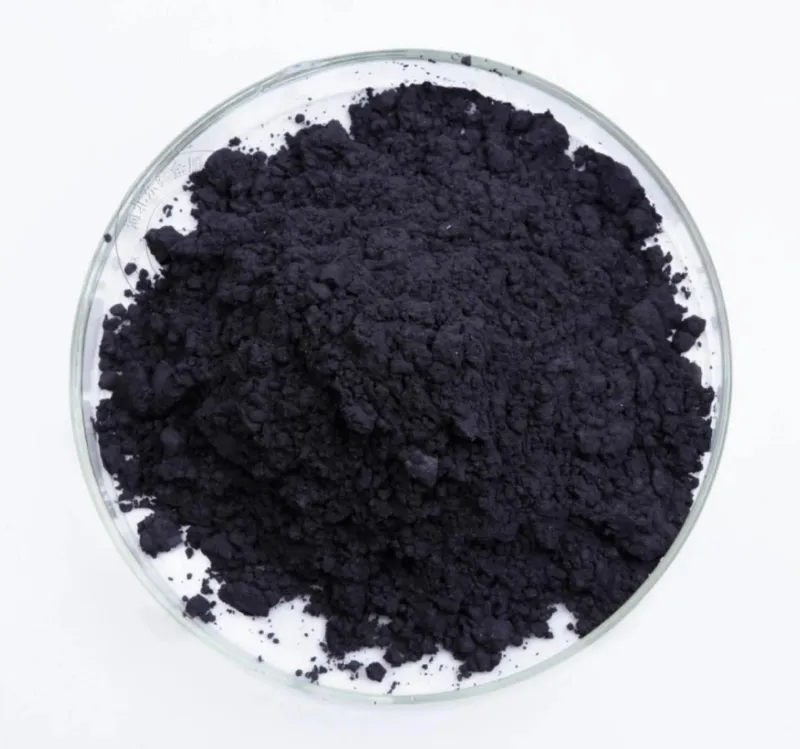
분무 건조된 분말을 도가니에 넣고 질소 분위기 하에서 700~800°C의 온도로 수 시간(보통 10~20시간) 동안 가열로에서 소결한다. 냉각 후 생성물을 얻는다. 소결 전 분말은 옅은 노란색이며, 소결 후에는 검은색 분말이 된다.
초미세 분쇄 및 철분 제거
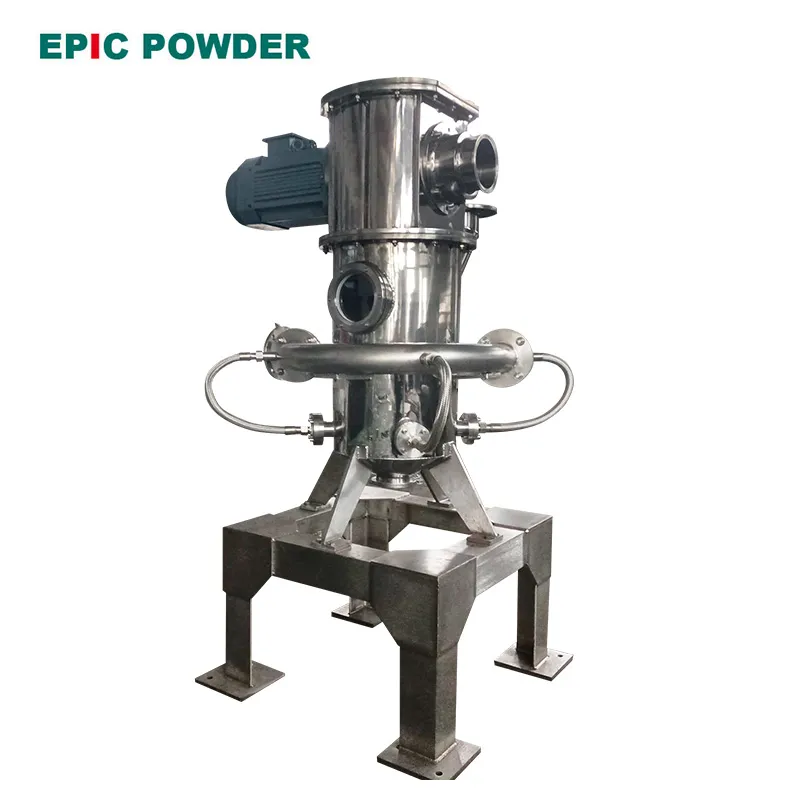
소결 후, 리튬 철 인산염 제품은 원하는 입자 크기를 얻기 위해 추가적으로 분쇄해야 합니다. 생산 과정에서 철 불순물이 혼입될 수 있으며, 이러한 불순물은 제거해야 합니다.
이는 다음과 같은 장비를 사용하여 수행할 수 있습니다. 제트밀 (air jet mill) equipped with an iron-removal device. Jet mills can effectively reduce the particle size while simultaneously separating impurities. This ensures that the final lithium iron phosphate product has a high purity. After the iron removal, the product is packaged for shipment.
결론
리튬인산철은 리튬 배터리의 주요 양극 소재입니다. 저렴한 가격, 높은 안전성, 긴 수명 등의 장점으로 시장에서 널리 사용되고 있습니다. 리튬인산철의 주요 생산 방법은 인산철법입니다. 이 공정 자체는 비교적 간단하지만, 최종 제품의 품질은 인산철 전구체의 품질에 크게 좌우됩니다.
옥살산철법과 같은 다른 방법들이 점차 시장 점유율을 높여가고 있습니다. 이러한 방법들은 탭 밀도가 더 높은 재료를 생산합니다.
Epic Powder, a leading manufacturer of jet mills, provides advanced, efficient powder processing solutions for the lithium battery industry. Its state-of-the-art jet mill equipment excels in both particle size reduction and iron impurity removal. By utilizing Epic Powder’s jet mills, producers can ensure the highest quality lithium iron phosphate, enhancing the overall performance and longevity of lithium-ion batteries. As technology continues to advance, jet mills will play an increasingly important role in improving the efficiency and sustainability of lithium battery material production.
읽어주셔서 감사합니다. 제 글이 도움이 되셨으면 좋겠습니다. 아래에 댓글을 남겨주세요. 추가 문의 사항은 젤다 온라인 고객 담당자에게 연락하실 수도 있습니다.
— 게시자 에밀리 첸