
วัสดุแคโทด, ซึ่งเป็นหนึ่งในสี่วัสดุหลักใน แบตเตอรี่ลิเธียม (cathode, anode, separator, and electrolyte), are crucial components of lithium batteries. They also account for a large portion of the battery’s cost. The cost of cathode materials largely determines the price of the battery. Among lithium battery cathode materials, mainstream materials include lithium cobalt oxide (LCO), lithium iron phosphate (LFP), lithium manganese iron phosphate (LMFP), nickel cobalt manganese lithium oxide (NCM), and lithium manganese oxide (LMO), among others. Their production processes differ slightly, but the fundamental principles are similar. The precursor materials are mixed with lithium carbonate or lithium hydroxide and then heated at high temperatures to obtain the product.
กระบวนการผลิตลิเธียมไอรอนฟอสเฟตส่วนใหญ่ประกอบด้วยสองวิธีหลัก ได้แก่ วิธีของแข็งและวิธีของเหลว วิธีของแข็งมีหลายวิธี เช่น วิธีฟอสเฟตไอรอน วิธีไอรอน วิธีไอรอนแดง และวิธีออกซาเลตไอรอน แต่ละวิธีมีข้อดีและข้อเสียแตกต่างกัน ส่วนวิธีของเหลว ซึ่งส่วนใหญ่ใช้เป็นวิธีของเหลวระเหยเองที่พัฒนาโดยบริษัท Defang Nano นั้น มีอุปสรรคทางเทคโนโลยีสูง บทความนี้จะอธิบายวิธีฟอสเฟตไอรอนซึ่งเป็นวิธีหลักที่ใช้กันทั่วไปเป็นตัวอย่าง.
การผสมและการบด
The reaction materials are ground and fully mixed to ensure that the reaction proceeds effectively during the subsequent sintering process. The equipment used in this step is a sand mill. The main raw materials, including iron phosphate, lithium carbonate, carbon source (such as glucose, sucrose, polyethylene glycol, etc.), dispersing agent, and additives, are added to the mixing equipment in precise stoichiometric proportions. Pure water or ethanol is used for pre-dispersion, followed by grinding in a sand mill. This process continues until the desired particle size (usually under 500nm) is achieved.
The iron phosphate and lithium carbonate are the main reactants. The carbon source plays an important role in forming a carbon coating on the lithium iron phosphate surface during high-temperature sintering. This improves its conductivity and prevents the formation of Fe³⁺. The dispersing agent enhances the dispersion and solid content of the slurry. Some high-molecular materials also form a carbon coating after sintering to improve the material’s performance.
สารเติมแต่ง เช่น กราไฟต์นำไฟฟ้า ท่อนาโนคาร์บอน หรือออกไซด์โลหะ ช่วยเพิ่มการนำไฟฟ้า ประสิทธิภาพการทำงานที่อุณหภูมิสูง/ต่ำ และความเสถียรในการใช้งานของผลิตภัณฑ์ขั้นสุดท้าย.
การพ่นแห้ง
ในขั้นตอนนี้ ตัวทำละลายในสารละลายผสมที่ได้จากกระบวนการบดจะถูกกำจัดออกไป ทำให้สารละลายกลายเป็นผงแห้งสำหรับกระบวนการเผาผนึกในขั้นตอนต่อไป อุปกรณ์ที่ใช้คือเครื่องอบแห้งแบบสเปรย์.
สารละลายข้นจะถูกทำให้เป็นละอองขนาดเล็กด้วยหัวฉีดแบบแรงเหวี่ยง จากนั้นละอองเหล่านี้จะสัมผัสกับอากาศร้อน ซึ่งจะทำให้ตัวทำละลายระเหยไป เหลือไว้เพียงอนุภาคผงแข็ง อนุภาคเหล่านี้จะถูกเก็บรวบรวมโดยเครื่องแยกแบบไซโคลน กระบวนการอบแห้งแบบสเปรย์จะเปลี่ยนสารละลายข้นให้กลายเป็นผงแห้ง ซึ่งพร้อมสำหรับการเผาผนึก.
การเผาผนึก
ส่วนผสมผงจะผ่านปฏิกิริยาที่อุณหภูมิสูงในเตาเผาที่ปกคลุมด้วยไนโตรเจน ซึ่งเป็นขั้นตอนสำคัญในกระบวนการ อุณหภูมิและระยะเวลาของกระบวนการเผาผนึกส่งผลโดยตรงต่อประสิทธิภาพของผลิตภัณฑ์ขั้นสุดท้าย อุปกรณ์ที่ใช้โดยทั่วไปคือเตาเผาแบบลูกกลิ้ง ซึ่งอาจมีความยาวหลายเมตร.
ปฏิกิริยาหลักมีดังนี้:
เฟPO₄ + Li₂CO₃ + C₆H₁₂O₆ → LiFePO₄/C + H₂O + CO₂
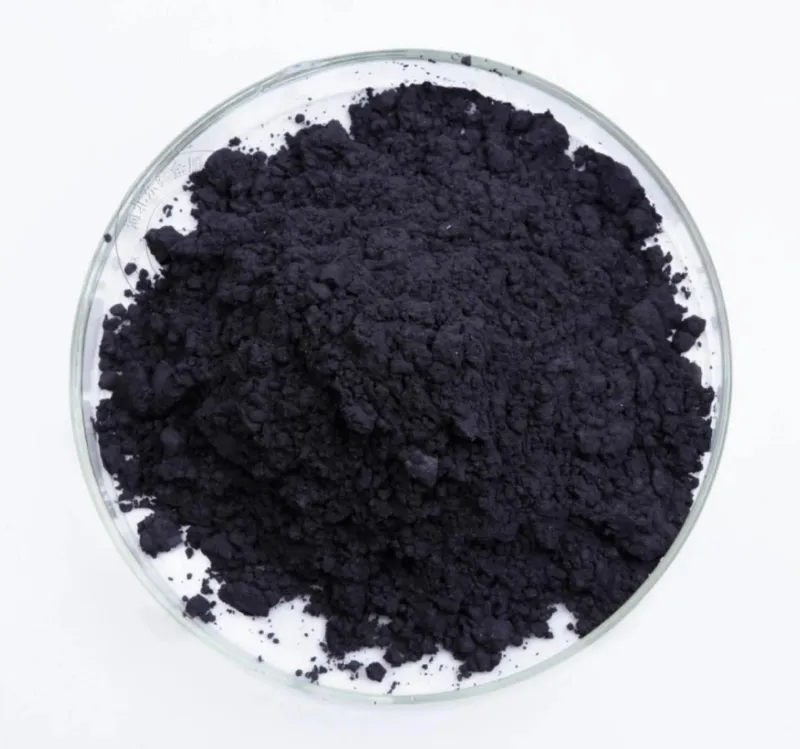
ผงที่ได้จากการพ่นแห้งจะถูกใส่ลงในเบ้าหลอมและให้ความร้อนในเตาเผาภายใต้บรรยากาศไนโตรเจนที่อุณหภูมิระหว่าง 700–800 องศาเซลเซียส เป็นเวลาหลายชั่วโมง (โดยปกติประมาณ 10 ถึง 20 ชั่วโมง) หลังจากเย็นตัวลงจะได้ผลิตภัณฑ์ ก่อนการเผาผนึก ผงจะมีสีเหลืองอ่อน และหลังจากเผาผนึกแล้วจะกลายเป็นผงสีดำ.
การบดละเอียดพิเศษ และการกำจัดธาตุเหล็ก
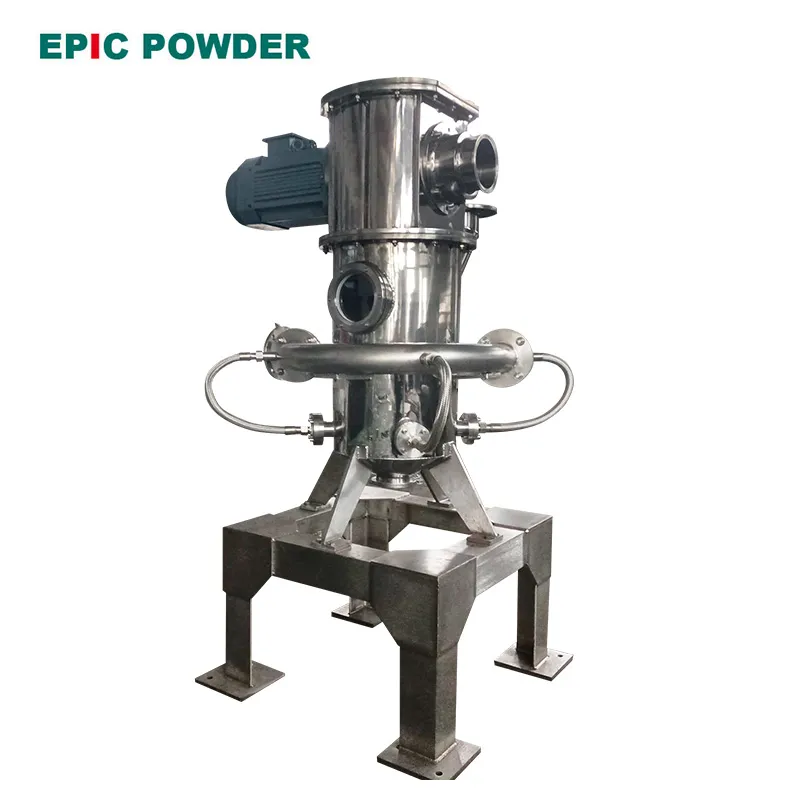
หลังจากผ่านกระบวนการเผาผนึกแล้ว ผลิตภัณฑ์ลิเธียมเหล็กฟอสเฟตจำเป็นต้องถูกบดเพิ่มเติมเพื่อให้ได้ขนาดอนุภาคที่ต้องการ ในระหว่างกระบวนการผลิต อาจมีสิ่งเจือปนของเหล็กเกิดขึ้น ซึ่งจำเป็นต้องกำจัดสิ่งเจือปนเหล่านี้ออกไป.
สามารถทำได้โดยใช้อุปกรณ์ต่างๆ เช่น โรงสีเจ็ท (air jet mill) equipped with an iron-removal device. Jet mills can effectively reduce the particle size while simultaneously separating impurities. This ensures that the final lithium iron phosphate product has a high purity. After the iron removal, the product is packaged for shipment.
บทสรุป
ลิเธียมไอรอนฟอสเฟตเป็นวัสดุแคโทดหลักสำหรับแบตเตอรี่ลิเธียม เป็นที่นิยมเนื่องจากต้นทุนต่ำ ความปลอดภัยสูง และอายุการใช้งานยาวนาน คุณสมบัติเหล่านี้ทำให้ลิเธียมไอรอนฟอสเฟตครองตลาด กระบวนการผลิตหลักสำหรับลิเธียมไอรอนฟอสเฟตคือวิธีฟอสเฟตไอรอน แม้ว่ากระบวนการจะค่อนข้างง่าย แต่คุณภาพของผลิตภัณฑ์ขั้นสุดท้ายขึ้นอยู่กับคุณภาพของสารตั้งต้นฟอสเฟตไอรอนเป็นอย่างมาก.
วิธีการอื่นๆ เช่น วิธีการใช้เหล็กออกซาเลต กำลังค่อยๆ ได้รับส่วนแบ่งทางการตลาดมากขึ้น วิธีการเหล่านี้ผลิตวัสดุที่มีความหนาแน่นสูงกว่า.
Epic Powder, a leading manufacturer of jet mills, provides advanced, efficient powder processing solutions for the lithium battery industry. Its state-of-the-art jet mill equipment excels in both particle size reduction and iron impurity removal. By utilizing Epic Powder’s jet mills, producers can ensure the highest quality lithium iron phosphate, enhancing the overall performance and longevity of lithium-ion batteries. As technology continues to advance, jet mills will play an increasingly important role in improving the efficiency and sustainability of lithium battery material production.
ขอบคุณที่อ่านนะคะ หวังว่าบทความของฉันจะเป็นประโยชน์นะคะ แสดงความคิดเห็นไว้ด้านล่างได้เลยค่ะ หรือหากมีข้อสงสัยเพิ่มเติม สามารถติดต่อตัวแทนฝ่ายบริการลูกค้าออนไลน์ของ Zelda ได้ค่ะ
— โพสต์โดย เอมิลี่ เฉิน